

Here’s a story from 2015 on a lucrative Energy (Cost) Conservation Measure I came across while navigating commercial electricity tariffs on my first Energy Audit in New Zealand.
Introduction
The electricity sector in Canada is very different from Australia and New Zealand, so a brief and simplified overview of the electricity sectors is in order.
In most Canadian provinces, including British Columbia (BC), the energy sector is operated by government-owned or regulated private integrated utility companies. Single companies are usually involved in all aspects of the non-competitive electricity sector, from generation, network infrastructure to retail sales.
In Australia and New Zealand; electricity generation and networks (transmission and distribution) are under a combination of public and private ownership. Electricity on the main (interstate) grids is traded wholesale on a government regulated energy market. Electricity retailing is competitive, private companies purchase electricity and sell them to final customers. That means, your electricity could be generated by one company, transmitted by another, distributed by another, metered by another, retailed by another one, and that’s doesn’t even cover all the potential players in the market, as below.
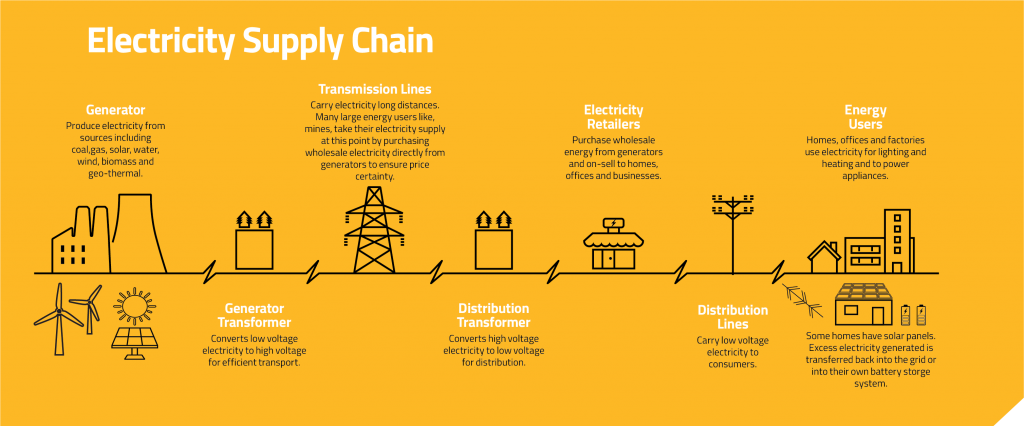
Electricity invoices included components from all market participants, no wonder some of my old spreadsheets looked more like financial models rather than mechanical and energy engineering.
My First Energy Audit in New Zealand
Shortly after settling down in Christchurch circa 2015, I worked on an Energy Audit for a retirement village in the port town of Timaru. The site was a 2-hour drive south from Lumen’s office, crossing very picturesque South Island landscapes like the one in the header image.
Electricity Invoice
Part of Energy Engineering due diligence, I reviewed energy invoices and historical energy consumption. The site’s electricity invoice had two energy components:
The retail component was a time of use (ToU) Fixed Price Variable Volume (FPVV) contract, negotiated with an energy retailer for a fixed contract duration. The FPVV tariff divided the year into ToU slots with different pricing for time, day of week and month. An example 96 slot FPVV tariff is shown below, and I’ve come across some with 144 slots! Note the pricing schedules are based on historical grid-wide electricity demand with higher prices during periods of higher demand. This is not only paying for your share of grid load, but a good motivator for shifting electricity use, a win-win for customer cost savings and managing grid demand.
The network component includes both transmission and distribution lines costs:
- ‘Fixed’ demand charge ($/kW) is based on an assessed demand, which is in turn determined from the transformer’s fuse rating
- ‘Variable’ energy charge ($/kWh) has ‘only’ two ToU slots all year round, 07:00 – 23:00 and 23:00 to 07:00
Compare this Kiwi example to the simpler electricity tariffs in BC, where the energy components usually comprise an one energy charge ($/kWh) and one demand charge ($/kW or $/kVA).
Small Effort, Big Savings
Now, remember that the assessed demand for this network tariff was based on the transformer’s fuse size, which was installed historically and potentially based on design values / estimates. The incumbent at this site assessed demand was 400 kW when I reviewed the invoices. However, historical peak demand from trending the previous 36 months was only around 150 kW!
A fuse change was initiated after reviewing conditions on site. However, after negotiation, the lines company agreed to reduce the assessed demand value without a fuse change – lower labour cost for them and a large electrical safety factor for the site.
Cost savings were approximately NZ$12,000 in the first year after the switch, 5% of the site’s annual electricity cost and well worth the exercise!
Conclusion
This example shows one easy win from reviewing your electricity tariffs, something that Energy Engineers (or Accountants) will consider during an Energy Audit if tariff structures are suitable. As ToU energy and demand based pricing directly affects end users’ electricity invoices, this example and a few other cost, energy and demand management opportunities become feasible, a win for market participants.
 Tenaga Consulting
Leave a comment